martedì 15 gennaio 2013
HMV in amministrazione controllata
L'anno non inizia bene per le major discografiche: dopo il crollo della EMI nel 2011 anche l'HMV è pronta al collasso ... fine di un'epoca. Leggete l'articolo sul Sole24Ore.
http://www.ilsole24ore.com/art/notizie/2013-01-15/padrone-voce-gruppo-amministrazione-135029.shtml?uuid=Abx0hYKH&fromSearch
lunedì 14 gennaio 2013
Il Maggio Fiorentino pronto al collasso economico ...
Vi invito a leggere l'articolo pubblicato oggi sul Sole24Ore sulla crisi economica del Maggio Fiorentino.
L'analisi è lucida, chiara, semplice e ... spietata. Non si possono chiedere stipendi da favola quando l'istituzione ha un buco economico di 30 milioni di euro. Non si può pretendere che lo Stato, il Comune o un qualsiasi ente pubblico si addossi una perdita simile in questi momenti, quando chiudono fabbriche, negozi, etc.
Non si può continuare a far finta di niente ed è ora che la cultura si addossi le sue responsabilità: se si vuole andare avanti bisogna avere bilanci in ordine, pubblico pagante, sponsor privati, stipendi manageriali adeguati, amministratori capaci e risultati. Altre associazioni e istituzioni lo stanno facendo: La Scala è un esempio e anche La Fenice dopo gli errori (errori? o menefreghismo o incapacità?) delle precedenti gestioni si è messa in riga.
Se la cultura deve diventare un esempio della rinascita di questo paese è ora che la cultura dimostri di saper produrre risultati economici in grado di pagare stipendi, dipendenti e dare utili. Il resto sono elemosine di un passato che non esiste più. Le polemiche, gli appelli alla politica non servono.
domenica 13 gennaio 2013
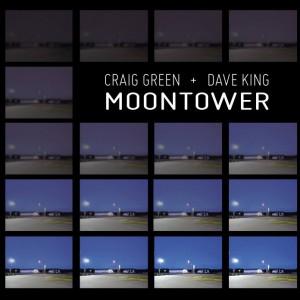
Guitars Speak secondo anno: Moontower by Craig Green + David King, Long Song Records 2012
Mercoledì sera su Radio Voce della Speranza
Moontower è un disco con molteplici rimandi. Post rock, ambient, desert music, rock, blues ... tantissimi riferimenti e tantissime citazioni per un disco davvero interessante e .. fuori dai generi.
Recensione di Moontower di Craig Green + David King
Wedsnaday evening 9 PM on Radio Voce della Speranza
Moontower is a record with multiple references. Post-rock, ambient, desert music, rock, blues ... many references and quotations for a lot of really interesting and hard .. out of genres..
Review of Moontower by Craig Green + David King
Links:
Radio Voce della Speranza http://www.radiovocedellasperanza.it/
Streaming http://www.radiovocedellasperanza.it/streaming/onair-fo.html
Radio Voce della Speranza http://www.radiovocedellasperanza.it/
Streaming http://www.radiovocedellasperanza.it/streaming/onair-fo.html
sabato 12 gennaio 2013
venerdì 11 gennaio 2013
Review of Libros De Musica para Vihuela by Massimo Lonardi, Stradivarius, 2009
Italian Translation
It’s with great satisfaction and pleasure that I listen to and review this nineteenth chapter of the Guitar Collection directed by Frederic Zigante, the last record edited by Massimo Lonardi, the ideal continuation of the already beautiful cds Comienca la musica para guitarra and La Suave Melodia. This time we have here performed twenty-nine tracks by various authors such Luys Milan, Luys de Narvaez, Alfonso Mudarra, Enriquez de Valderrabano Diego Pisador, Miguel de Fuenilana, Esteban Daza and Diego Pisador, all Spanish composers who have dedicated their fantasy and their creativity at the service of Spanish Vihuela in its heyday between 1535-36 (when the edition of El Maestro) and the end of that century
This is therefore a monographic anthology describing this particular period of flourishing musical creativity, as the same Lonardi writes in beautiful 28-page booklet that accompanies, as usual, the CD, " bringing togheter on a CD pieces by varius composero and with various tendencies in style, taking them from a vast instrumental literature of superlative qualità like that for the vihuela is, rather, an opportunity to define preferences and affinities wiich are absolutely subjective." It’s crystal music that comes out from the two instruments created by Stefano Solari, a rich and vibrant polyphony, with clear and intense colors that for over an hour keep us in a polite and discreet company, Lonardi let us walk through all major music genres that characterize the solo repertoire of the instrument: Fantasias and Tientos, Diferencias and various forms of dance. A track on all top ut in evidence? The beautiful and flawless version of the Fantasia que contrahaze la harpa by Aloso Mudarra, alone is worth buying the cd!
mercoledì 9 gennaio 2013
Guitars Speak secondo anno: Eva Fampas Capriccio Diabolico
Questa sera su Radio Voce della Speranza
Prima puntata del nuovo anno e cominciamo con la chitarra classica. Prima di aver ascoltato questo disco non avevo la minima idea della ricchezza e di quanto fosse interessante il repertorio per chitarra classica presente nella musica greca. Eva Fampas in questa puntata ci fa scoprire alcune musiche create da compositori greci nel XX secolo.
Recensione di Capriccio Diabolico
This evening 9 PM on Radio Voce della Speranza
First episode of the new year and we start with the classical guitar. Before hearing this record, I had no idea about how interesting was the repertoire for classical guitar in Greek music. Eva Fampas in this episode let us discover some music created by Greek composers in the twentieth century.
Recensione di Capriccio Diabolico
Links:
Radio Voce della Speranza http://www.radiovocedellasperanza.it/
Streaming http://www.radiovocedellasperanza.it/streaming/onair-fo.html
Radio Voce della Speranza http://www.radiovocedellasperanza.it/
Streaming http://www.radiovocedellasperanza.it/streaming/onair-fo.html
martedì 8 gennaio 2013
Dot Guitar di dicembre
dotGuitar il nuovo WeBlogMagazine italiano dedicato al mondo della chitarra
dotGuitar the new italian WeBlogMagazine dedicated to the guitar world
|
I nuovi articoli dicembre 2012
|
|
|
|
|
|
|
|
|
|
|
|
|
|
|
|
|
|
|
|
|
|
|
domenica 6 gennaio 2013
Guitars Speak secondo anno: Eva Fampas Capriccio Diabolico
Mercoledì sera su Radio Voce della Speranza
Prima puntata del nuovo anno e cominciamo con la chitarra classica. Prima di aver ascoltato questo disco non avevo la minima idea della ricchezza e di quanto fosse interessante il repertorio per chitarra classica presente nella musica greca. Eva Fampas in questa puntata ci fa scoprire alcune musiche create da compositori greci nel XX secolo.
Recensione di Capriccio Diabolico
Wedsnaday evening 9 PM on Radio Voce della Speranza
First episode of the new year and we start with the classical guitar. Before hearing this record, I had no idea about how interesting was the repertoire for classical guitar in Greek music. Eva Fampas in this episode let us discover some music created by Greek composers in the twentieth century.
Recensione di Capriccio Diabolico
Links:
Radio Voce della Speranza http://www.radiovocedellasperanza.it/
Streaming http://www.radiovocedellasperanza.it/streaming/onair-fo.html
Radio Voce della Speranza http://www.radiovocedellasperanza.it/
Streaming http://www.radiovocedellasperanza.it/streaming/onair-fo.html
domenica 23 dicembre 2012
venerdì 21 dicembre 2012
Review of Buess/Feiler/Hodgkinson by Ensemble Phoenix Basel
Italian Translation
I do not know if it happens to you. Sometimes it happens to me to be so taken by the music and by my almost obsessive desire to listen to everything that sometimes I find myself disgusted at the same time and eager to hear something new, something completely different and fresh. Sometimes all that I would like to hear is noise which I could imagine the music, a space, a time.I think that it happens because sometimes I feel that music takes up a huge cultural space, a map and a almost infinite semiotic region where is so easy to get lost and so I want to turn over any noise that is not understood at first as music, that is fresh and complicated and free both from the aesthetic intention then from the aesthetic invention. Obviously this is a pure stylistic utopia of mine, but also reality may reserve its beautiful surprises. Like this disc from Ensemble Phonix Basel, creative group up to 25 musicians based in Basel, Switzerland dedicated to the contemporary repertoire and devoted to the music of three composers: Alex Buess (also stationed in Switzerland), Tim Hodgkinson (former member of the art rock band Henry Cow and associates of Fred Frith and Chris Cutler) and Dror Feiler.
A noise which is not initially designed as music? The CD opens with "Biomechanical Version" of "Paralaxe A", written in 2002 for Ensemble and magnetic star by Alex Buess. A piece characterized by highly dynamic and sound intensity: the drums are "massive", the horns musical’s attacks are strong and intense, dense sound masses moving continuously combined with traces of electronic music that seems to refer more to rock maximalist and techno forms, all while staying clear arrays contemporary compositions, a piece not recommended for those seeking a quiet relaxing evening but with great effect.Quieter (so to speak) is the piece "Repulsion" by Tim Hodgkinson on clarinet, electric guitar, trombone and drums. There'sn’t the power of Buess’s music but we shall feel the deep and rich musical experience of the English composer, creating an almost filigree sound, with blurred colors, with left hanging implication.
"Restitutio in Pristinum" by Dror Feiler is for amplified violin, electric guitar, sopranino saxophone, trombone and drums, sounds like a cross between the two previous pieces: blocked sound energy are opposed to the main theme in a clean and balanced way, without trespassing and overlapping one part over another.Exit the CD another piece of Buess, written nearly a decade before "Parallax" A ", entitled" Maxwell's Demon "for trumpet, trombone, electric bass, three batteries and live electronics, recorded live at the Gare du Nord, characterized by open and wide structure.
What shall I say more? Three composers, Buess, Hodgkinson and Feiler with different ideas and point of views and an Ensemble able to give a shape and a sound to their musical ideas. A nice cd where discipline of interpreting, the freedom of improvisation, the ideas of the composers, the power of musicians come and blend together, creating a dense sound, strong, like the wind that sweeps away the clouds in a spring day in March. The hell with those who say that music is dead.
A noise which is not initially designed as music? The CD opens with "Biomechanical Version" of "Paralaxe A", written in 2002 for Ensemble and magnetic star by Alex Buess. A piece characterized by highly dynamic and sound intensity: the drums are "massive", the horns musical’s attacks are strong and intense, dense sound masses moving continuously combined with traces of electronic music that seems to refer more to rock maximalist and techno forms, all while staying clear arrays contemporary compositions, a piece not recommended for those seeking a quiet relaxing evening but with great effect.Quieter (so to speak) is the piece "Repulsion" by Tim Hodgkinson on clarinet, electric guitar, trombone and drums. There'sn’t the power of Buess’s music but we shall feel the deep and rich musical experience of the English composer, creating an almost filigree sound, with blurred colors, with left hanging implication.
"Restitutio in Pristinum" by Dror Feiler is for amplified violin, electric guitar, sopranino saxophone, trombone and drums, sounds like a cross between the two previous pieces: blocked sound energy are opposed to the main theme in a clean and balanced way, without trespassing and overlapping one part over another.Exit the CD another piece of Buess, written nearly a decade before "Parallax" A ", entitled" Maxwell's Demon "for trumpet, trombone, electric bass, three batteries and live electronics, recorded live at the Gare du Nord, characterized by open and wide structure.
What shall I say more? Three composers, Buess, Hodgkinson and Feiler with different ideas and point of views and an Ensemble able to give a shape and a sound to their musical ideas. A nice cd where discipline of interpreting, the freedom of improvisation, the ideas of the composers, the power of musicians come and blend together, creating a dense sound, strong, like the wind that sweeps away the clouds in a spring day in March. The hell with those who say that music is dead.
giovedì 20 dicembre 2012
martedì 18 dicembre 2012
Review of Phoenix-Portrait by Ensemble Phoenix Basel, Swiss Grammont, 2008
Italian Translation
“The form of the work of art gains its aesthetic validity precisely in proportion to the number of different perspectives from wich it can be viewed and understood. These give it a wealth of different resonances and echoes without impairing its original essence” U. Eco Opera Aperta The open work
An impressive record, this latest work of the Ensemble Phoenix Basel, released in 2008 for the record label Musique Suisse. Impressive for several reasons: design, sound, recording.This record seems to represent an evening, a concert of the Ensemble. All five pieces were recorded live and can then be assembled together to be an effective witness to the skill and musical force that drives this group of well-rehearsed musicians. The sound that flows in our speakers is a sound open, rich, precise, clean, solid, characterized by an almost maniacal attention to detail, an attention which in my humble opinion has sometimes been unjustly neglected in contemporary music, in a contest between serial forms, where the fetishism of the detail, saturated with information, almost makes performances and listening almost impractical, and more aleatoric form where the regard to detail transforms the work itself into one abnormaly bloated detail whose result in terms of sound may here and there be rather involvin on account of the associations it evokes (clouds, wind, sea..).
Infact, from mine personal point of view, a conception of musical form that tends toward openness implies the desire and the need to follow and develop formal pathways wich are alternative, unexpected, non-homogeneous and most important not linear.
The risk in these cases is to draw a map, a form of self-referential language, from which going out and being able to communicate may risult difficult. It’s not the case with this CD, where you can just relax and be fascinated by the three-dimensional sound of the Ensemble.Very nice CD, accompanied by a beautiful 26-page booklet published in three languages.
“… you .. games? .. there are no games from here to eternity…”
Jim Grimm (1928-2006): Kammerkonzert für 7 Spieler;
Beat Furrer (*1954): still für Ensemble;
Fausto Romitelli (1963-2004): Cupio dissolvi für 14 Spieler;
An impressive record, this latest work of the Ensemble Phoenix Basel, released in 2008 for the record label Musique Suisse. Impressive for several reasons: design, sound, recording.This record seems to represent an evening, a concert of the Ensemble. All five pieces were recorded live and can then be assembled together to be an effective witness to the skill and musical force that drives this group of well-rehearsed musicians. The sound that flows in our speakers is a sound open, rich, precise, clean, solid, characterized by an almost maniacal attention to detail, an attention which in my humble opinion has sometimes been unjustly neglected in contemporary music, in a contest between serial forms, where the fetishism of the detail, saturated with information, almost makes performances and listening almost impractical, and more aleatoric form where the regard to detail transforms the work itself into one abnormaly bloated detail whose result in terms of sound may here and there be rather involvin on account of the associations it evokes (clouds, wind, sea..).
Infact, from mine personal point of view, a conception of musical form that tends toward openness implies the desire and the need to follow and develop formal pathways wich are alternative, unexpected, non-homogeneous and most important not linear.
The risk in these cases is to draw a map, a form of self-referential language, from which going out and being able to communicate may risult difficult. It’s not the case with this CD, where you can just relax and be fascinated by the three-dimensional sound of the Ensemble.Very nice CD, accompanied by a beautiful 26-page booklet published in three languages.
“… you .. games? .. there are no games from here to eternity…”
Jim Grimm (1928-2006): Kammerkonzert für 7 Spieler;
Beat Furrer (*1954): still für Ensemble;
Fausto Romitelli (1963-2004): Cupio dissolvi für 14 Spieler;
Jorge Sánchez-Chiong (*1969): Veneno 5 für Schlagzeug und Ensemble;
Alex Buess (*1954): Ghosts of Schizophonia (Phylum II) für Ensemble und Live-Elektronik.
lunedì 17 dicembre 2012
Review of Music by Detlev Müller-Siemens, Ensemble Phoenix Basel, Vergo, 2001
Italian Translation
Do you know those days of bad weather? While still it’s not raining but the sky is full of heavy clouds moving quickly, moving in any direction by strong winds at high altitude? And we, children, sitting on the ground to enjoy this spectacle of nature that surrounds us, penetrates us, makes us feel a little smaller and leaner in our ideas, in our human ambitions.
The music contained on this CD, where the Ensemble Phoenix Basel plays exclusively the music of composer Detlev Müller-Siemens realized for ensemble, seems to go in this direction, blocks, cloudy mass of sounds moving in a dimensional space, following a sometimes apparent chaos, sometimes following what appear to be rationally predetermined paths.The CD begins with the cycle "Phoenix 1-3", it seems to be present during the initial stages of a concert when the musicians rehearse a few steps, tune their instruments, until the director makes his entrance and the concert can begin, a moment of quiet initial chaos, which gradually takes shape in the unfolding of the piece when the musical material gradually takes shape, is transformed, is deformed following certain rules given by the composer. Policies that invest directly all three pieces that move in the same space and have a common base, while having each their autonomy, moving between the extremes of a compact shade and a straight intricate melody.
"Light blue, almost white" refers to a text by Samuel Beckett, from which Müller-Siemens associates 'light blue' to a a basic sad trend as you can find in cool-jazz, but also in Japanese art. 'Almost White' was based on the breath, a sound, a sound base.The title "Cuts" has a double significance: it refers both to the cuts, the turning points in time and even to "physical" cuts for longitudinal sections, chants alternated with faint musical voices, almost murmuring, sounds almost dilated to open spaces ...As I said before, this is not simple or easy music, we're on new territories, often with only sketchy maps, whose exploration takes time, trust and passion. Have fun!
The music contained on this CD, where the Ensemble Phoenix Basel plays exclusively the music of composer Detlev Müller-Siemens realized for ensemble, seems to go in this direction, blocks, cloudy mass of sounds moving in a dimensional space, following a sometimes apparent chaos, sometimes following what appear to be rationally predetermined paths.The CD begins with the cycle "Phoenix 1-3", it seems to be present during the initial stages of a concert when the musicians rehearse a few steps, tune their instruments, until the director makes his entrance and the concert can begin, a moment of quiet initial chaos, which gradually takes shape in the unfolding of the piece when the musical material gradually takes shape, is transformed, is deformed following certain rules given by the composer. Policies that invest directly all three pieces that move in the same space and have a common base, while having each their autonomy, moving between the extremes of a compact shade and a straight intricate melody.
"Light blue, almost white" refers to a text by Samuel Beckett, from which Müller-Siemens associates 'light blue' to a a basic sad trend as you can find in cool-jazz, but also in Japanese art. 'Almost White' was based on the breath, a sound, a sound base.The title "Cuts" has a double significance: it refers both to the cuts, the turning points in time and even to "physical" cuts for longitudinal sections, chants alternated with faint musical voices, almost murmuring, sounds almost dilated to open spaces ...As I said before, this is not simple or easy music, we're on new territories, often with only sketchy maps, whose exploration takes time, trust and passion. Have fun!
sabato 15 dicembre 2012
venerdì 14 dicembre 2012
Intervista a Lucio Matarazzo, quinta parte
Ci
parli del tuo endorsement per la D’Addario, la nota marca di corde
per chitarra, e non solo, americana?
Tutto
è avvenuto con estrema semplicità. A Koblenz, in Germania, ho
incontrato Thomas Offerman, un bravissimo chitarrista che ha
abbandonato l’attività concertistica e che ora si occupa della
distribuzione europea della D’Addario. Conoscendomi di nome e
sapendo quello che era il mio curriculum, mi ha proposto di fare
l’endorser per la nota marca di corde, assicurandomi una ampia
fornitura di corde all’anno.
Dopo
circa due anni mi ha chiesto di fare una video-intervista da
pubblicare sul sito ufficiale, ma purtroppo ci siamo sempre
incrociati di sfuggita (aereoporti, concerti...), così come
l’ultima volta che ci siamo incontrati - se non erro al “Cremona
MondoMusica”. Tornato a casa e visto che era da poco uscito un
nuovo accordatore prodotto dalla Planet Waves, del gruppo D’Addario,
ho fatto un piccolo video di per pubblicizzare il Mini HeadstockTuner, tra l’altro ottimo, lo uso sempre...
Come
vedi la crisi del mercato discografico, con il passaggio dal supporto
digitale al download in mp3 e tutto questo nuovo scenario? Hai aperto
anche tu come me una netlabel, qual è il bilancio?
Io
credo che oramai il grosso delle attività discografiche abbia preso
una direzione da cui non si tornerà indietro.
Spesso
faccio un esempio tratto dalla mia vita privata: ho due figlie, una
di 21 e l’altra di 17 anni. La prima, che mi prendeva in giro
quando ancora ascoltavo gli LP (cosa sono queste “pizze” nere?),
masterizzava le sue playlist sui CD. La seconda ha il suo bell’iPod
e credo non abbia masterizzato più di due o 3 CD in vita sua....
A
distanza di pochissimi anni c’è stata una vera e propria
rivoluzione.
Oggi
ha senso pubblicare un CD solo per poterne avere un ricavo vendendone
ai concerti. La tanto sbandierata “distribuzione internazionale”
nei negozi è defunta già da tempo e la maggior parte di coloro che
ostentano vendite di migliaia di CD, dicono solo falsità ben sapendo
- a proposito di marketing - che è difficile smentirli.
D’altro
canto le numerose piattaforme con cui si possono vendere gli album,
oramai consentono a tutti, con costi quasi inesistenti, di veicolare
le proprie registrazioni ed interpretazioni e di farsi conoscere.
Con
la diffusione della musica liquida, dovuta all’abbassamento dei
prezzi di vendita, anche le case discografiche hanno capito che
questo era un canale molto redditizio per poter distribuire i loro
prodotti.
Per
quanto riguarda la mia WebLabel, è ancora un po’ presto per poter
fare un bilancio, anche tenendo ben presente che è un mercato di
nicchia, ma in cui sono già presenti centinaia di migliaia di album.
Cerco
di dare anche io come te una certa priorità alla musica
contemporanea con album - oltre alla ristampa on-line del bellissimo
CD “Blu” di Arturo a cui tu facevi riferimento - che contengono
prime esecuzioni, come quello del giovane virtuoso A.Mesirca, i due
dedicati alle musiche di A.Franco, ad opera di M.Rivelli ed
E.Brignolo, o il bellissimo “Dedication” che racchiude un po’
l’opera che Piero Bonaguri sta portando avanti, facendo avvicinare
alla chitarra autori contemporanei di diversissima estrazione...
Il
Blog viene letto anche da giovani neodiplomati e diplomandi, che
consigli ti senti di dare a chi, dopo anni di studio, ha deciso di
iniziare la carriera di musicista?
Bella
domanda! Purtroppo è difficile rispondere perché le variabili in
gioco sono tantissime.
Quello
che mi sentirei di dire è di curare bene la propria preparazione,
soprattutto musicale, e leggere moltissima musica, anche non legata
al proprio strumento. Ho visto tanti ottimi strumentisti arrancare
nella propria attività, ma non conosco musicisti con una
preparazione profonda e di spessore che non abbiamo saputo poi
trovare una propria strada che, naturalmente, non deve essere per
forza quella del concertismo e men che meno del solismo. Io stesso ho
avuto e ho poche parentesi solistiche, ho suonato in duo per 22 anni,
da quasi 17 in quartetto, ed ora di nuovo in duo, facendo anche
tantissima musica da camera nelle formazioni più disparate, dal
semplice duo col flauto agli ensemble con strumenti etnici....
Parallelamente
però consiglierei di tenere gli occhi aperti su tutto quello che
riguarda il vivere quotidiano: non finirò mai di ricordarmi quanto
sia stato fortunato ad iniziare ad insegnare in conservatorio molto
presto. Ma questo mi è servito non certo per adagiarmi con uno
stipendio sicuro - come ho visto purtroppo fare a tanti miei colleghi
anche di talento -, ma piuttosto per investire ed avere la serenità
e l’indipendenza economica per poter continuare a studiare con
calma e ad approfondire tutte le problematiche di questa
difficilissima ma bellissima professione...
Consigliaci
cinque dischi per te indispensabili, da avere sempre con te... i
classici cinque dischi per l‘isola deserta... e quali sono invece i
tuoi cinque spartiti indispensabili?
Se
ti riferisci alla chitarra, beh, credo che quello con i Concerti di
Castelnuovo-Tedesco e di Ponce suonati da Segovia e quello col
Nocturnal di Britten e i Drei Tentos di H.Werner Henze suonati da
Bream mi basterebbero, mentre per il resto sono un po’
conservatore... i Quartetti op.18 di Beethoven nell’interpretazione
del Quartetto Italiano, i concerti di Brahms e di Bartók suonati da
Pollini, ma è impossibile scegliere senza lasciare fuori tante
interpretazioni importanti e affascinanti....
Quali
sono i tuoi prossimi progetti? Su cosa stai lavorando? Prevedi di
ristampare qualche tuo disco .. magari con la tua netlabel…
Sto
portando avanti molti progetti e in vari campi. Dal punto di vista
concertistico ho da poco fondato un nuovo quartetto legato al mio
Magazine, il dotGuitar Quartet, con i miei amici e colleghi G.Allocca
e P.Viti e con un mio brillante alunno, M.Tamburrini, col quale ho
già fatto numerosi concerti. Molti di questi hanno avuto come
protagonista la cantante Marina Bruno, interprete raffinata della
melodia colta e popolare napoletana - già protagonista principale
nella “Gatta Cenerentola” di Roberto De Simone - con la quale
dopo aver portato in giro un programma intitolato “SudAmerica”,
stiamo preparando un altro progetto che si intitolerà “Mediterranea”
con arrangiamenti di musiche che vanno dalle villanelle napoletane,
al fado, alla musica nordafricana, balcanica e greca.
Da
poco, dopo la prima esperienza col Concerto di Castelnuovo Tedesco
per due chitarre e orchestra di due anni fa, ho iniziato a suonare
stabilmente col virtuoso napoletano Aniello Desiderio dando vita al
“Virtuoso Duo”. Con lui ho in programma un video, un CD e, per
l’anno prossimo, un tour mondiale.
Per
quanto riguarda l’attività editoriale, oltre agli sviluppi del
Magazine, che l’anno prossimo vedrà ampliata la piattaforma con un
corso di chitarra on-line ed una web-TV, ho da poco consegnato
all’editore Ut Orpheus i primi 4 volumi della collana di studi e
musiche dell‘800 che è da me diretta e che prevede in totale circa
40 volumi.
Sarà
una formula molto innovativa su una triplice piattaforma, perché per
ogni volume ci sarà la partitura - con una introduzione di Angelo
Gilardino - pubblicata da Ut Orpheus, le note di analisi e i consigli
per lo studio, pubblicati sulla piattaforma iBook sul sito Apple, e
l’album con tutte le registrazioni nella mia etichetta DotGuitar/CD
reperibili on-line su iTunes Music Store, Amazon etc.
Recentemente
ho presentato questo progetto in anteprima al Convegno Internazionale
di Chitarra di Alessandria, durante una conferenza che ho tenuto sul
“fenomeno” dotGuitar.
Credo
che sia la prima volta al mondo che viene presentato un progetto
editoriale con una simile struttura!
Ultima domanda, proviamo a voltare verso la musica le tre domande di J.P.Sartre verso la letteratura: Perché si fa musica? E ancora: qual è il posto di chi fa musica nella società contemporanea? In quale misura la musica può contribuire all’evoluzione di questa società?
Credo
che ognuno di noi possa rispondere in maniera diversa a domande
simili; posso solo dirti perché ho deciso di essere musicista io.
Innanzitutto perché mi piaceva molto esprimermi attraverso la
musica, ma allo stesso tempo mi attirava molto anche questo senso di
sfida al superamento delle difficoltà che lo strumento pone, una
battaglia per una ricerca di perfezione che non si raggiunge mai e
che anche quando sembra aversi “toccato”, sparisce rendendoti
consapevole di quanto effimero sia il risultato.
Alle
altre due domande è difficile dare risposta perché il mondo della
musica è molto variegato e quindi anche quello dei musicisti.
So
solo che - anche a costo di essere banalmente retorico - se ci fosse
più musica e se ci fosse una partecipazione attiva alla musica colta
da parte di più persone, vivremmo in una società di sicuro
migliore.
Se
solo si tenesse in considerazione il fatto che due dei mali peggiori
dei nostri tempi, la droga e il razzismo, sono praticamente assenti
da questo piccolo mondo - pensiamo ad esempio, per quanto riguarda il
razzismo e i conflitti etnici, al miracolo della West Eastern Divan
Orchestra organizzata e diretta da D.Barenboim - si capirebbe quanto
è importante la cultura e la conoscenza della musica.
Ma
oggi siamo tutti sotto una cappa dominata dalla finanza, dalle banche
e dalle multinazionali, e si sta perdendo ogni contatto con ciò che
l’uomo ha di più profondo: l’anima.
Ecco,
in questa riscoperta dell’anima - e quindi anche della persona - la
musica attiva potrebbe giocare un ruolo importantissimo. Purtroppo la
ostacola una classe dirigente e politica ignorante e corrotta, da cui
non ci si può aspettare molto....
Iscriviti a:
Post (Atom)